
CCALAC President & CEO Louise McCarthy reflects on the community health center movement this National Health Center Week.
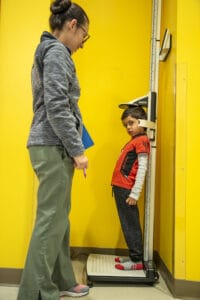 National Health Center Week is underway, and while community health centers celebrate their patients, staff and partners, this year’s celebrations feel more subdued in the face of multiple challenges to the health center movement. In this moment, however, it’s important to reflect on how far the movement has come since its beginning in the Civil Rights Era.
While some health centers in Los Angeles trace their roots back to the early 1900s, it was in the 1960s that the health center movement began in earnest nationwide, and in the 1990s that Los Angeles’ health centers galvanized to work together toward their common mission.
Thirty years ago, LA’s health system was on the edge of collapse and the county was on the brink of bankruptcy. In addition to the weight of an economic recession, our health system was financially burdened by a crisis of access and coverage. Over a third of Angelenos were indigent. County health facilities were overcrowded and largely focused on expensive inpatient hospital care, with a growing proportion of patients lacking insurance.
It was against this backdrop that community clinics and health centers banded together to form the Community Clinic Association of Los Angeles County. Together, they shared a unified voice, advocating for county, state, and federal resources to expand access to care. They also supported each other, sharing best practices and innovative solutions to improving community health.
Over decades these efforts paid off. In the 1990s and early 2000s, thanks to county and federal investments, health centers experienced modest expansions of sites and services. Yet with the majority of health center patients uninsured, these expansions were limited. After the Affordable Care Act’s passage, California’s expansion of Medi-Cal eligibility resulted in the number of Angelenos with Medi-Cal coverage growing from 2.41 million in 2011 to 4.29 million in 2023. This allowed Los Angeles to transform its public and private safety net. Today nonprofit clinics serve over 2 million Angelenos each year at over 450 sites and the vast majority of their patients are insured.
While we’ve come so far, we have so much more to do. Our county again faces a dire economic outlook and the gains we’ve made in expanding coverage are now threatened by the terrifying repercussions of the federal budget bill paired with a bleak state budget. Policies are shifting, the funding landscape is evolving, and new challenges are emerging.
CCALAC and our members will navigate these challenges together. Community health centers are resilient. They will need to adapt and be agile in the changing environment and continue to embrace innovation. As before, health centers will need to lean on one another, to share knowledge, and to advocate with a unified voice for the patients and communities they serve.
###
About the Community Clinic Association of Los Angeles County
Founded in 1994, the Community Clinic Association of Los Angeles County (CCALAC) is the largest regional association of community health centers in California. Health centers in Los Angeles serve more than 2.02 million patients at over 450 sites across the county. The majority of these patients (74%) have low incomes, and 93% are covered by public insurance or uninsured. CCALAC is dedicated to helping health centers remain at the forefront of health care transformation, in support of the patients and communities they serve. For more information about CCALAC, visit www.ccalac.org or call (213) 201-6500.
Contact: Taryn Burks – Communications Manager, media@ccalac.org | (213) 201-6529.